

Connecticut Public is proud to support PBS’s climate programming initiative, a bold commitment to explore environmental impacts on our planet through solutions-driven storytelling.
-
 Trumbull's only data center, located at 80 Merritt Blvd., has been in operation for more than 50 years and is expected to be converted into a "high density, AI-ready" facility.
 -
 UConn is looking to build a golf practice facility for its men’s team. The site will ultimately be smaller than a golf course and will not be open to the public.
 -
 Eligible farmers in Connecticut can start applying for funds from a nearly $53 million federal disaster relief program that officials finalized over the summer after a series of delays.
 -
 60 years after the start of Star Trek, we take a look back at its rocky start–and what the future of the series might be. Plus, a look at Star Trek’s fandom and some of the first ever fan conventions!
 -
 Rep. Geraldo Reyes Jr. said he will be joined by members of the state’s Environment and Energy & Technology Committees
 -
 Environmentalists say the development could strain the island’s already limited access to water and hurt local agriculture
 -
 While Hartford only has 375 documented trees-of-heaven, the tree often grows on private property and can sprout quickly, meaning the city likely has thousands more.
 -
 The town is believed to be the first in Connecticut to install an wildlife escape ramp in a municipal pool
 -
 A new collection of automated sensors will help scientists get a never before seen picture of snowpack across the region, which researchers say will help them better predict floods.
 -
 Spotted lanternflies had already moved into parts of Northern Connecticut, but now they have reached the stage of their lifecycle when they can fly, suddenly making them more visible.
 -
 Connecticut writer Arnie Sabatelli talks about his new essay collection, “Two Thirds Water,” and the connections he finds between fishing, writing and paying attention.
 -
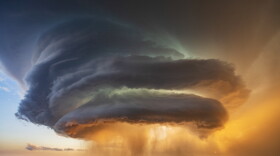 What's a a Super El Niño? Why is my weather app wrong all the time? This hour, we explore the mysteries of the weather and meteorology. Plus: How does literature teach us about the changing weather?


