© 2026 Connecticut Public

FCC Public Inspection Files:
WEDH · WEDN · WEDW · WEDY
WEDW-FM · WNPR · WPKT · WRLI-FM
Public Files Contact · ATSC 3.0 FAQ
Play Live Radio
Next Up:
0:00
0:00
0:00 0:00
Available On Air Stations
Cancer Answers is hosted by Dr. Anees Chagpar, Associate Professor of Surgical Oncology and Director of The Breast Center at Smilow Cancer Hospital at Yale-New Haven Hospital, and Dr. Francine Foss, Professor of Medical Oncology. The show features a guest cancer specialist who will share the most recent advances in cancer therapy and respond to listeners questions. Myths, facts and advances in cancer diagnosis and treatment are discussed, with a different focus eachweek. Nationally acclaimed specialists in various types of cancer research, diagnosis, and treatment discuss common misconceptions about the disease and respond to questions from the community.Listeners can submit questions to be answered on the program at canceranswers@yale.edu or by leaving a message at (888) 234-4YCC. As a resource, archived programs from 2006 through the present are available in both audio and written versions on the Yale Cancer Center website.

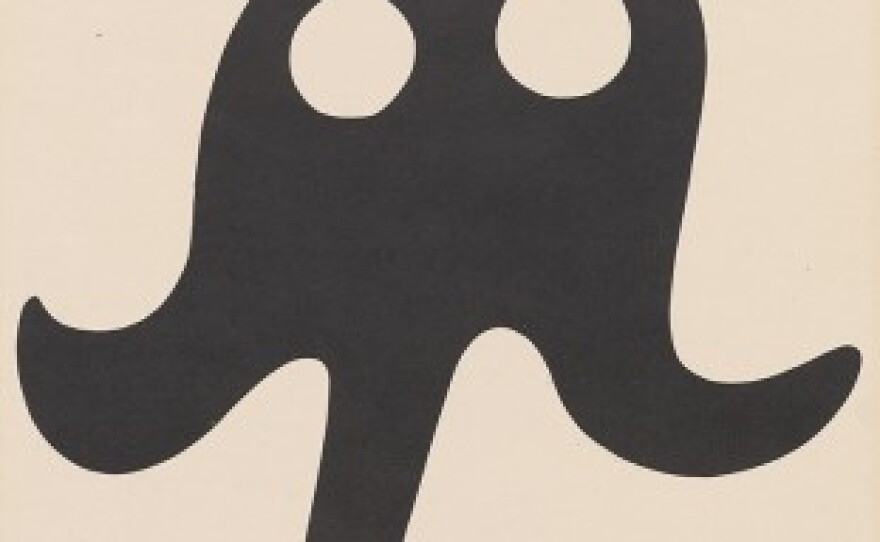
Yale Celebrates the Centennial of Dada

The Dada aesthetic -- anti-authoritarian, absurdist, provocative, and irreverent -- was a major force in 20th century art.

Yale University Art Gallery is celebrating the centennial of the art movement known as Dada with a series of events, a major exhibition, and a Dada Ball.

It is rare that an art movement can pinpoint its inception to a specific date and location. Dada can: February, 1916, at the Cabaret Voltaire, a nightclub in Zurich, Switzerland.

"It started with performances at Cabaret Voltaire," said Frauke Josenhans, curator of Yale Art Gallery's new Dada exhibit, Everything is Dada. "The two artists that really started the Dada events were Hugo Ball and his companion Emmy Hennings, a German performance artist. They invited other artists to join them on stage to do poetry, readings, puppetry, dance performances -- but also, visual artists were encouraged to hang their artwork on the walls of the nightclub. So it really started as a wild event of all different arts coming together."

Young artists fled the devastation of World War I to neutral Switzerland, temporarily turning Zurich into a mecca for the avant garde. When the war ended, these artists returned to their home countries, and Dada spread throughout Europe and the United States, influencing generations of young artists.

The Dada aesthetic -- anti-authoritarian, absurdist, provocative, and irreverent -- was a major force in 20th century art and still resonates today.

"Dada had a huge impact on many of the avant garde movements," said Josenhans. "Surrealism, and after the second world war, pop art, and conceptual art. I'm always surprised when I talk to contemporary artists. They often mention these Dada artists as inspiration."

Yale University Art Gallery is celebrating the Dada centennial with the exhibit Everything is Dada, a collection of Dada artwork and short films, which runs through July 3.

The exhibit also has the Dada Lounge, where visitors can hear Dada sound poetry, a form of expression that often uses phonetic sounds and snippets of language.

For people nostalgic for pure Dadaism in all of it's absurdity: a Dada Ball, where people are encouraged to dress in costumes and enjoy an evening of Dada music, poetry, and photography. The Dada Ball kicks off Thursday evening at 5:30 pm at the Yale University Art Gallery.
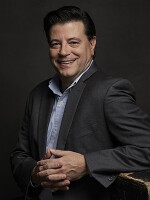
Ray Hardman was an arts and culture reporter at Connecticut Public.

Federal funding is gone.

Congress has eliminated all funding for public media.

That means $2.1 million per year that Connecticut Public relied on to deliver you news, information, and entertainment programs you enjoyed is gone.

The future of public media is in your hands.

All donations are appreciated, but we ask in this moment you consider starting a monthly gift as a Sustainer to help replace what’s been lost.

SOMOS CONNECTICUT is an initiative from Connecticut Public, the state’s local NPR and PBS station, to elevate Latino stories and expand programming that uplifts and informs our Latino communities. Visit CTPublic.org/latino for more stories and resources. For updates, sign up for the SOMOS CONNECTICUT newsletter at ctpublic.org/newsletters.

SOMOS CONNECTICUT es una iniciativa de Connecticut Public, la emisora local de NPR y PBS del estado, que busca elevar nuestras historias latinas y expandir programación que alza y informa nuestras comunidades latinas locales. Visita CTPublic.org/latino para más reportajes y recursos. Para noticias, suscríbase a nuestro boletín informativo en ctpublic.org/newsletters.

Federal funding is gone.

Congress has eliminated all funding for public media.

That means $2.1 million per year that Connecticut Public relied on to deliver you news, information, and entertainment programs you enjoyed is gone.

The future of public media is in your hands.

All donations are appreciated, but we ask in this moment you consider starting a monthly gift as a Sustainer to help replace what’s been lost.