© 2026 Connecticut Public

FCC Public Inspection Files:
WEDH · WEDN · WEDW · WEDY
WEDW-FM · WNPR · WPKT · WRLI-FM
Public Files Contact · ATSC 3.0 FAQ
Play Live Radio
Next Up:
0:00
0:00
0:00 0:00
Available On Air Stations

Connecticut's Committee on Children Discusses DCF Facilities

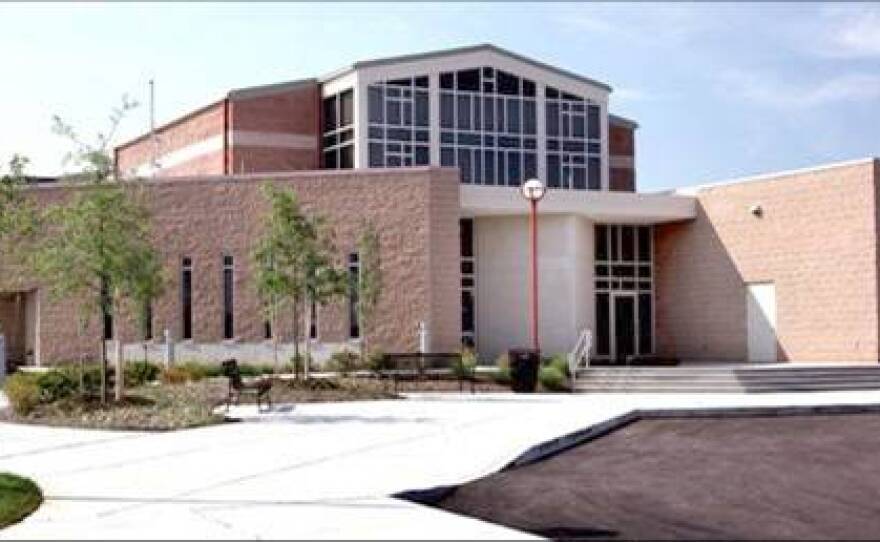
The Connecticut General Assembly’s Committee on Children met on Wednesday to learn more about the conditions at the Connecticut Juvenile Training School for boys and the nearby Pueblo Unit for girls. 

It follows a recent Office of the Child Advocate report which found delinquent youths have been subject to unlawful and repeated restraint and isolation at both locations.

The Department of Children and Families operates both facilities under review. DCF Commissioner Joette Katz said that many improvements have been made at the state's juvenile detention facilities, including a stronger focus on rehabilitating troubled youth.

"CJTS offers a menu of individual and group clinical services that are the envy of many other jurisdictions throughout the country, and certainly exceed anything found in adult systems," Katz said on Wednesday before the Committee on Children.

Credit CT-N
/
CT-N
DCF Commissioner Joette Katz speaks before the General Assembly's Committee on Children.

Katz told state lawmakers that the population at the Connecticut Juvenile Training School for boys in Middletown has never been lower than it is today. She said the frequency of restraints being used on the youths is also declining.

A just-released report by the  advocacy group The Connecticut Juvenile Justice Alliance calls for the detention facilities to close, saying the boys’ facility should be shut down within two years. The girls unit, the report said, should close much sooner.  

Robert Francis with the Alliance said earlier that incarceration is not an environment for boys and girls with mental health issues to get the services they need.

"We still may need locked facilities for a certain group of young people who have committed pretty serious offenses for a period of time," Francis said, "But we're talking about smaller facilities, closer to home, with many more services available to them."

Francis said that about 70 percent of the young people in the facilities have mental health diagnoses. Many are trauma survivors.

The report calls on Connecticut to learn from the other states with community-based programs that have improved outcomes and cost savings.

DCF Commissioner Joette Katz will be a guest on WNPR's Where We Live on Thursday, August 13. 

This report includes information from WSHU Public Radio.

Ray Hardman was an arts and culture reporter at Connecticut Public.
Diane Orson is a special correspondent with Connecticut Public and a contributing reporter to National Public Radio. Her stories have been heard on Morning Edition, All Things Considered, Weekend Edition, and The World from PRX. She spent seven years as CT Public’s local host for Morning Edition.

Federal funding is gone.

Congress has eliminated all funding for public media.

That means $2.1 million per year that Connecticut Public relied on to deliver you news, information, and entertainment programs you enjoyed is gone.

The future of public media is in your hands.

All donations are appreciated, but we ask in this moment you consider starting a monthly gift as a Sustainer to help replace what’s been lost.

SOMOS CONNECTICUT is an initiative from Connecticut Public, the state’s local NPR and PBS station, to elevate Latino stories and expand programming that uplifts and informs our Latino communities. Visit CTPublic.org/latino for more stories and resources. For updates, sign up for the SOMOS CONNECTICUT newsletter at ctpublic.org/newsletters.

SOMOS CONNECTICUT es una iniciativa de Connecticut Public, la emisora local de NPR y PBS del estado, que busca elevar nuestras historias latinas y expandir programación que alza y informa nuestras comunidades latinas locales. Visita CTPublic.org/latino para más reportajes y recursos. Para noticias, suscríbase a nuestro boletín informativo en ctpublic.org/newsletters.

Federal funding is gone.

Congress has eliminated all funding for public media.

That means $2.1 million per year that Connecticut Public relied on to deliver you news, information, and entertainment programs you enjoyed is gone.

The future of public media is in your hands.

All donations are appreciated, but we ask in this moment you consider starting a monthly gift as a Sustainer to help replace what’s been lost.

Connecticut Public’s journalism is made possible, in part by funding from Jeffrey Hoffman and Robert Jaeger.