-
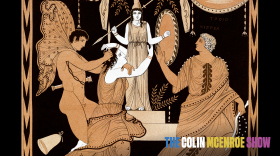 You’ve likely the Greek myth of Cassandra, a woman given the gift of prophecy who was cursed to never be believed. This hour, a look at that story and its relevance today.
 -
 Psychosis doesn't always look the way people expect. A Yale forensic psychiatrist explains why someone can appear perfectly organized while experiencing a profound break from reality.
 -
 As Earth continues to warm from humans burning fossil fuels, weather extremes are expected to also increase in frequency and intensity. And the health of older adults are vulnerable to these extremes.
 -
 The research will look to identify disparities in care and resources for Parkinson’s patients, caregivers and family members, along with older adults at risk of developing the disease as they age.
 -
 This hour, a look at the dreaded potential “big one” — the next pandemic — and what we need to do to be ready.
 -
 A University of Connecticut economics professor co-authored the study, which appeared this year in the “Journal of Human Resources.”
 -
 The law seeks to get more concrete information about private equity investment in Connecticut's nursing homes, and bars investors from making decisions that would affect the care or safety of patients.
 -
 Companies will be required to report each policy’s actual losses to the state, providing a window into major price hikes.
 -
 Connecticut’s Agriculture Commissioner says the program not only invests in the local economy, but also the health of its seniors.
 -
 The bill, which Gov. Lamont signed into law last week, allows virtual monitoring in residential care homes. It was already permitted in nursing homes.

© 2026 Connecticut Public
FCC Public Inspection Files:
WEDH · WEDN · WEDW · WEDY
WEDW-FM · WNPR · WPKT · WRLI-FM
Public Files Contact · ATSC 3.0 FAQ
FCC Public Inspection Files:
WEDH · WEDN · WEDW · WEDY
WEDW-FM · WNPR · WPKT · WRLI-FM
Public Files Contact · ATSC 3.0 FAQ
Play Live Radio
Next Up:
0:00
0:00
Available On Air Stations


