
http://cptv.vo.llnwd.net/o2/ypmwebcontent/Chion/nc%20110706%20Species%20Feature%20Part%201.mp3
Wildlife biologists often intervene to protect rare species. This could involve building nesting boxes for declining birds. Or even restoring an entire wetlands. But sometimes biologists insert themselves into an ecosystem to protect a rare species from predators. In the first of a two-part series WNPR’s Nancy Cohen reports.
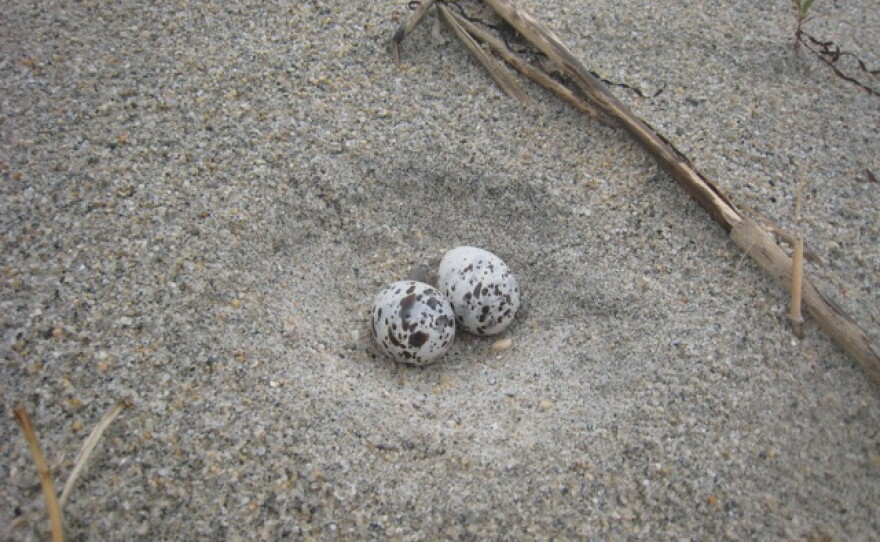
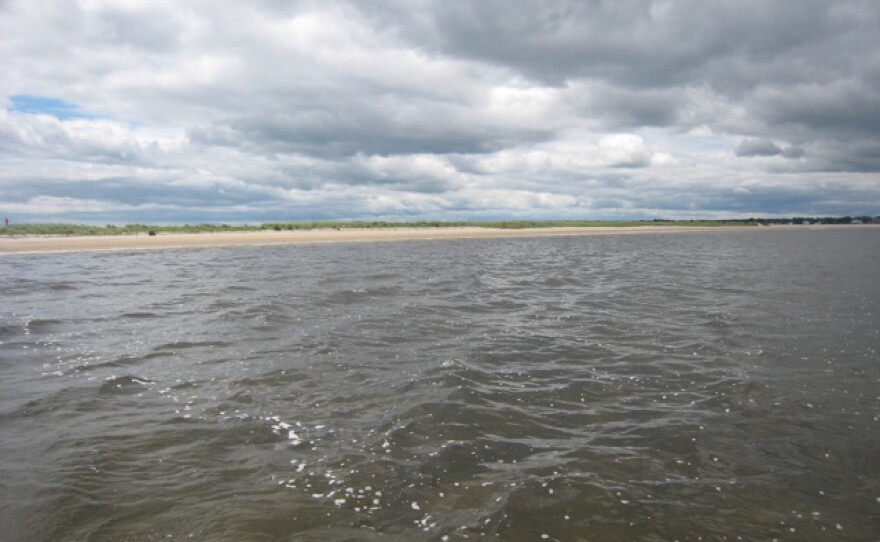
Sandy Point Island is a mile long stretch of sand between Watch Hill, Rhode Island and Stonington, Connecticut. Three species of rare birds nest here, the Piping Plover, the American Oystercatcher and the Least Tern, whose grey eggs, splattered with brown spots, melt right into the sand.
“Here’s a one egg nest right here. They look like little stones in the sand.”
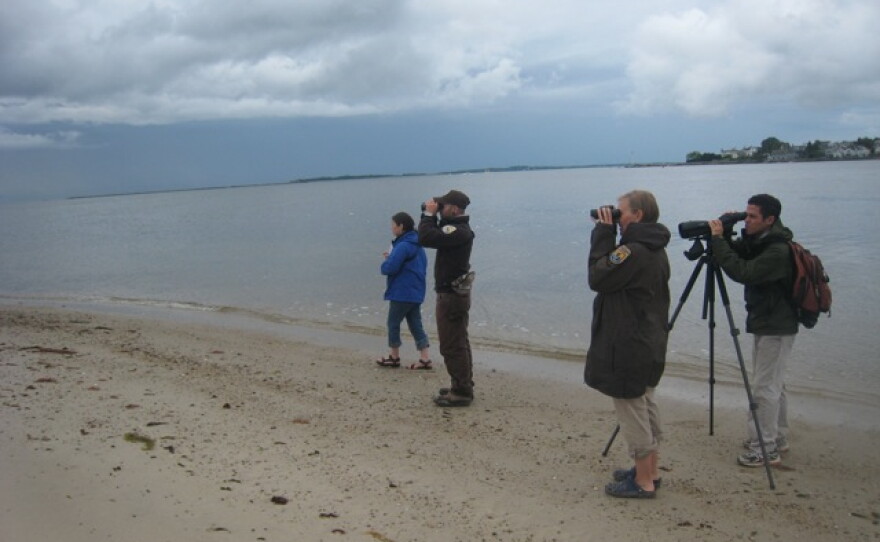
Wildlife biologist Sharon Marino of the U.S. Fish and Wildlife Service is walking carefully to avoid stepping on the eggs. The parents, (there are 20 pairs here) swoop down, trying to shoo her away.
“They’re actually dive bombing us! That’s their defense.”
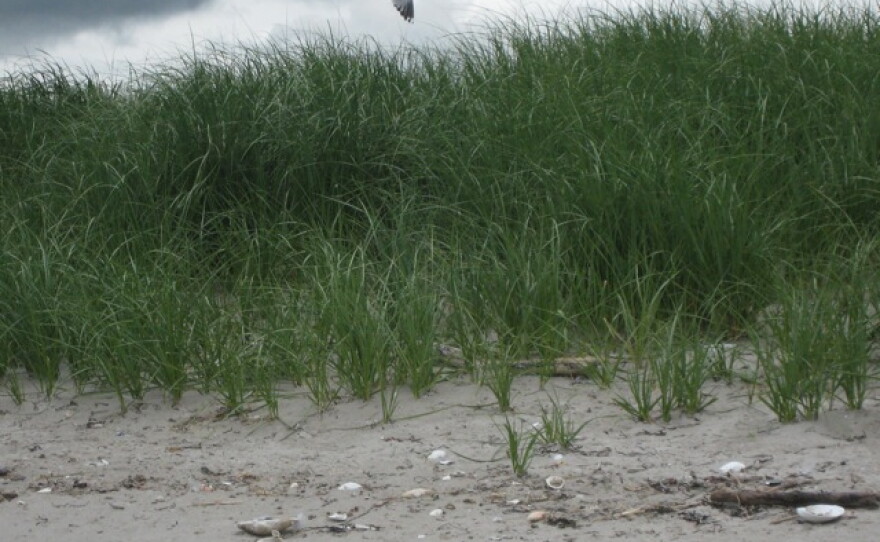
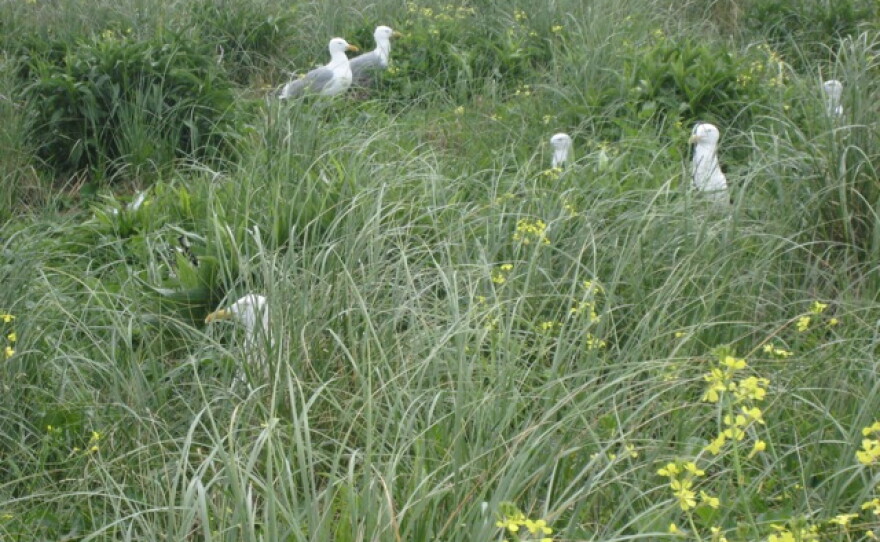
But these birds can’t always defend their young. They share this island with more than one thousand Herring and Great Black-backed Gulls. The gulls peer out from behind green beach grass, where they incubate their eggs. Once their chicks are born, these gulls will need food. Even if it means eating other birds.
“We’ve documented them eating Least Tern chicks last summer.”
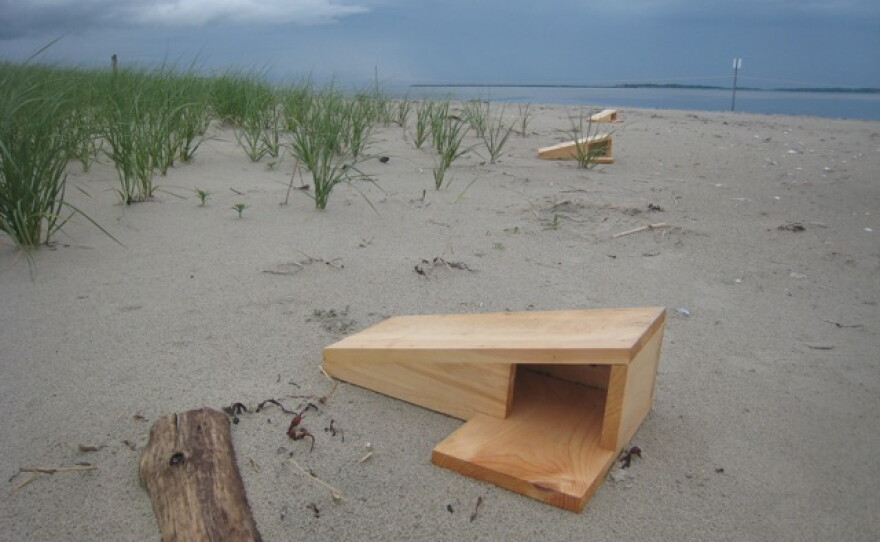
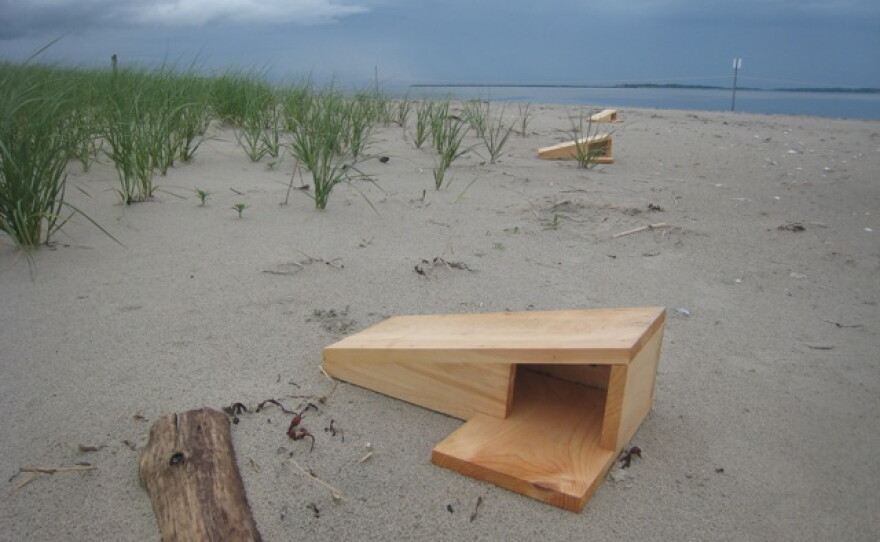
That’s why the Fish and Wildlife Service is placing shelters on the sand to protect the Least Tern chicks. These wooden boxes look like little houses, with sharply angled roofs. When the tern chicks hatch they can hide inside away from the gulls.
“We saw one gull go into the colony and eat I think 10 to 15 Least Tern chicks. We chased it off. But we had a couple of them in the colony eating the chicks.”
Gulls have also been known to eat the chicks of the federally-threatened Piping Plover. Marino points out one that was just born.
“You can actually see a small one scurrying. It almost looks like a cotton ball with little stick legs. They’re tiny. They’re very tiny.”
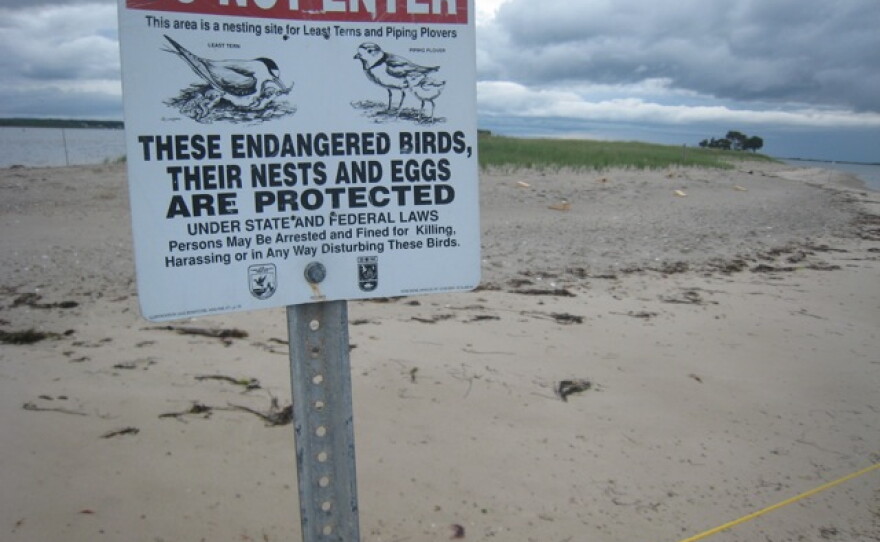
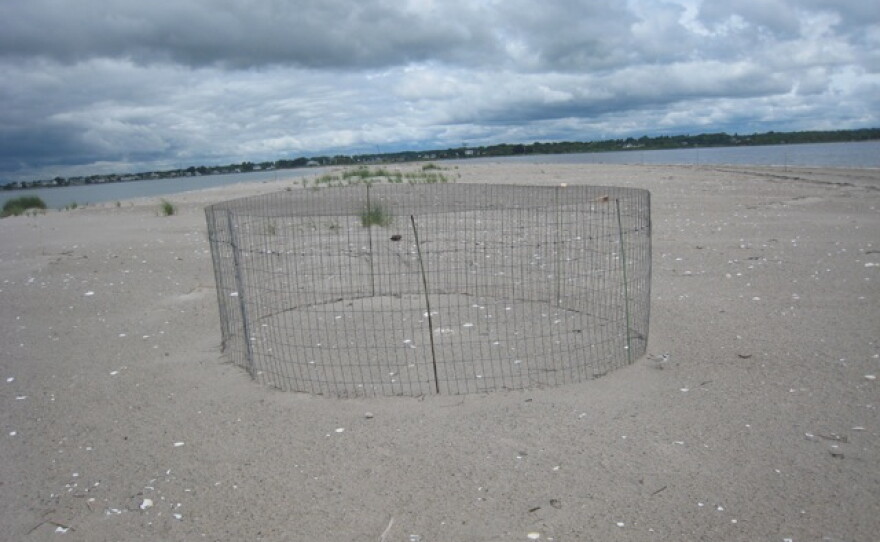
The Fish and Wildlife biologists are plunging fence posts into the sand to keep people and dogs away from the nests. They also install wire mesh fences to protect the piping plovers from the gulls. But this year the biologists took their intervention a step further.
“We actually oiled some of the eggs out here this year in this particular area because of being so close to the terns.”
Coating the gull eggs in oil prevent them from hatching. Almost like birth control. The Fish and Wildlife Service sprayed corn oil on gull eggs in 350 nests here. With fewer gull chicks, the hope is the hungry adults are not as likely to go after the young of the rare birds.
“Once the Herring Gull chicks hatch or the Great Black-backed chicks hatch out the adults will bring them food. And there’s a greater need to find food for them. And that’s when we found them predating heavily on the Least Tern chicks.”
Despite their efforts these wildlife managers have not been able to protect the young of the least terns this year. This season no Least Tern chicks survived at Sandy Point Island. The biologists found gull tracks all around the nesting area. They believe the gulls ate most of the eggs even before they hatched. Marino says this has happened elsewhere.
“These birds put so many resources into producing young and its all for nothing. And when it happens year after year after year at multiple sites it can have a big impact on those birds.”
The biologists are documenting the predation. On other sites managers have selectively killed certain gulls. But the managers at Sandy Point Island have not decided to do that, yet.
