© 2026 Connecticut Public

FCC Public Inspection Files:
WEDH · WEDN · WEDW · WEDY
WEDW-FM · WNPR · WPKT · WRLI-FM
Public Files Contact · ATSC 3.0 FAQ
Play Live Radio
Next Up:
0:00
0:00
0:00 0:00
Available On Air Stations

Greetings from a Seoul museum, where Buddhist masterpieces offer calm away from city bustle

Anthony Kuhn
/
NPR

The National Museum of Korea is a short walk from my home, set among bamboo groves and pagodas.

Inside, the Room of Quiet Contemplation houses two of the nation's most treasured artworks. This gilt-bronze bodhisattva statue from the early seventh century sits along with one other bodhisattva dating to the sixth century. Both are placed on a round platform in the dimly lit room. Ambient sounds suggesting deep outer — or inner — space play in a loop.

The statues' graceful outlines and cascading folds of clothes all radiate elegant simplicity. Their eyes are half shut, mouths in a faint smile, with two fingers resting on their right cheeks. Their right legs are folded, while their left legs descend toward the floor. Their eyes evoke deep contemplation of the transience of life. The smiles, according to experts on Buddhism and Buddhist art, suggest a realization of truth, and the legs represent a transition into action, to liberate all sentient beings.

Visitors can scan a code to hear Blackpink singer Jisoo offer her understanding too: "This Buddhist statue captures the aspirations of people who sought salvation through quiet reflection and enlightenment during a turbulent era filled with change and anxiety. That is why, even to this day, it holds the power to naturally soothe and calm the minds of those who look upon it."

By harnessing the appeal of South Korean pop culture and innovative digital and physical displays, the museum, according to one ranking, became the world's third-most visited last year, behind only the Louvre in Paris and the Vatican Museums.

Copyright 2026 NPR
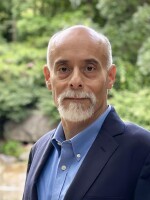
Anthony Kuhn is NPR's correspondent based in Seoul, South Korea, reporting on the Korean Peninsula, Japan, and the great diversity of Asia's countries and cultures. Before moving to Seoul in 2018, he traveled to the region to cover major stories including the North Korean nuclear crisis and the Fukushima earthquake and nuclear disaster.

Federal funding is gone.

Congress has eliminated all funding for public media.

That means $2.1 million per year that Connecticut Public relied on to deliver you news, information, and entertainment programs you enjoyed is gone.

The future of public media is in your hands.

All donations are appreciated, but we ask in this moment you consider starting a monthly gift as a Sustainer to help replace what’s been lost.

SOMOS CONNECTICUT is an initiative from Connecticut Public, the state’s local NPR and PBS station, to elevate Latino stories and expand programming that uplifts and informs our Latino communities. Visit CTPublic.org/latino for more stories and resources. For updates, sign up for the SOMOS CONNECTICUT newsletter at ctpublic.org/newsletters.

SOMOS CONNECTICUT es una iniciativa de Connecticut Public, la emisora local de NPR y PBS del estado, que busca elevar nuestras historias latinas y expandir programación que alza y informa nuestras comunidades latinas locales. Visita CTPublic.org/latino para más reportajes y recursos. Para noticias, suscríbase a nuestro boletín informativo en ctpublic.org/newsletters.

Federal funding is gone.

Congress has eliminated all funding for public media.

That means $2.1 million per year that Connecticut Public relied on to deliver you news, information, and entertainment programs you enjoyed is gone.

The future of public media is in your hands.

All donations are appreciated, but we ask in this moment you consider starting a monthly gift as a Sustainer to help replace what’s been lost.

Related Content
