

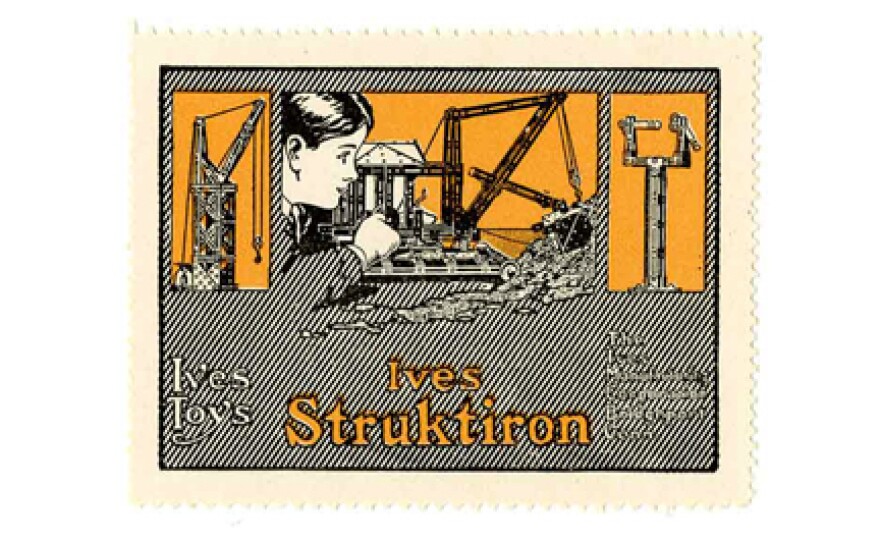


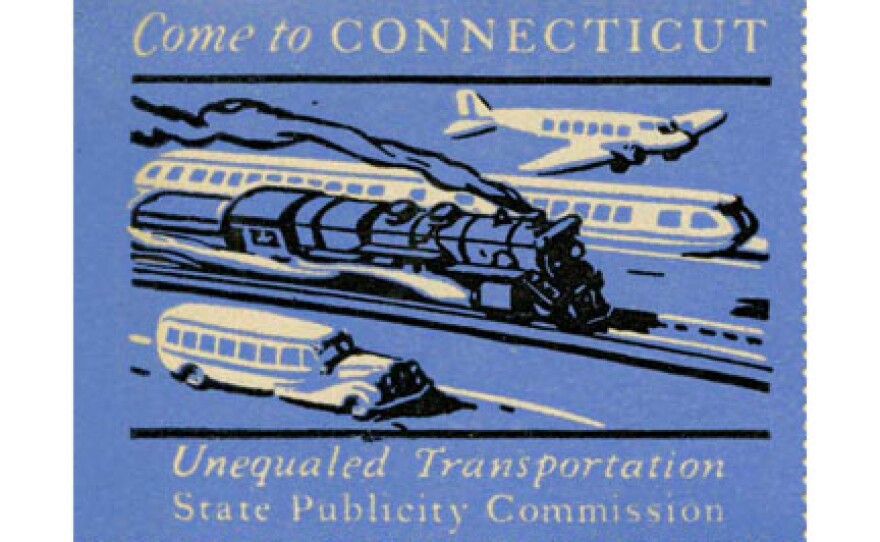
Poster stamps, also known as “cinderellas,” are posters shrunk to the size of stamps. Though they are gummed on the back for affixing to letters, they are non-denominated, meaning they cannot be used to mail anything. In the early 1900s, they were used to advertise businesses and events or to make political statements. Before poster stamps, stamps were created only for postage or revenue. In the late 1800s, stamps created for exhibitions and fairs were among the first to be non-denominated and became the pre-cursors to poster stamps.
First created in Germany around 1907, these brightly-colored advertising labels were designed by both notable artists and anonymous illustrators. People often stuck them on envelopes, letterheads, invoices, or mail packages, or just collected them for fun. Poster stamps gave almost anyone the opportunity to collect art at a fraction of the price and size of a poster.
The original artwork for poster stamps was created at a larger size, and through a photomechanical process, the images were shrunk down, grouped together on a printing plate, and run through a printing press. The colors were printed one at a time from separate plates, and each color required another run through the press! The groups of stamps were printed on big sheets in large quantities by a commercial printer and distributed through newspapers, hobby shops, and the store or business that had them made.
It wasn't long before American business owners recognized their advertising power. Advertisers knew they had only a few seconds to grab a consumer’s attention, and a stamp’s bright colors (compared to the monochromatic magazine advertisements at the time) and an artist’s touch could make a slogan or service stand out. Businesses typically had stamps created in sets to advertise their multiple services.
Businesses were not the only ones who used poster stamps to advertise. The state of Connecticut and its towns used the colorful medium to attract visitors by promoting tourist activities and industries. Some stamps were designed in sheets to encourage collecting. Others promoted events like a parade or Connecticut’s 300th anniversary. Today they offer us a glimpse of which industries were booming and what activities were happening at the time.
Tiny Art: Connecticut Poster Stamps is a new exhibit at the Connecticut Historical Society that ends January 12, 2013. The Museum at the CHS is open Tuesday through Friday 12-5 and Saturdays 9-5. For more information, go to http://www.chs.org/page.php?id=511#posterstamps
Reproductions of poster stamps from the Connecticut Historical Society collection may be purchased through 1000 Museums. Go to https://www.1000museums.com/search.php?q=Connecticut+Historical+Society&x=43&y=3to view current offerings.



