© 2026 Connecticut Public

FCC Public Inspection Files:
WEDH · WEDN · WEDW · WEDY
WEDW-FM · WNPR · WPKT · WRLI-FM
Public Files Contact · ATSC 3.0 FAQ
Play Live Radio
Next Up:
0:00
0:00
0:00 0:00
Available On Air Stations

Long Island Shellfish Thieves Targeted by Legislators

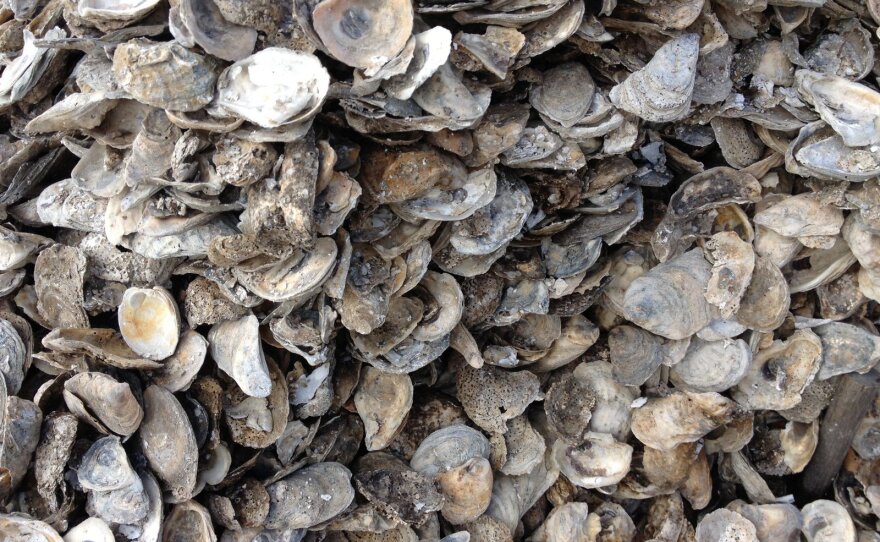
Oyster theft isn't new. "It's probably been a problem since colonial days," said George Krivda with the Connecticut Department of Agriculture, "but now is when we're dealing with it." 

Krivda said it's not just oysters that are getting stolen. "We have mussels grown in the Sound. Clams grown in the Sound," he said. But here's the problem -- current state law only addresses oyster theft. "And when we attempted to prosecute folks that stole shellfish other than oysters, they needed to be charged under a different statue," Krivda said.

That was an issue for state lawyers. Addressing it is at the heart of a new bill introduced to the Environment Committee that underwent a public hearing yesterday. Krivda said the new proposal includes all shellfish. "This is just eliminating one barrier that we have to enforcing the law," he said. 

"[Theft] makes a mockery of your business and everything you'd tried to accomplish for three years."
George Krivda

Most of Connecticut's commercial shellfish beds are in the western part of the sound -- from Greenwich to Branford. And Krivda said raising oysters takes a lot of work. There's collecting seed oysters. Dragging your bed to remove predators like starfish. And there's planting the seed oysters themselves.

"You wait two or three years to go back. And when you go back, someone has stolen them," Krivda said. "That makes a mockery of your business and everything you'd tried to accomplish for three years.

Krivda said the proposal maintains current penalties for thieves, which range anywhere from a $300 fine to a year in prison. "We're trying to grow the industry in the state," he said." We're trying to get more harvesters there. We need to ensure that if you put your time and energy behind a business, that someone can't steal your product."

The bill is now being considered by the Environment Committee.

Tags
Patrick Skahill is the assistant director of news and talk shows at Connecticut Public. He was the founding producer of Connecticut Public Radio's The Colin McEnroe Show and a science and environment reporter for more than eight years.

Federal funding is gone.

Congress has eliminated all funding for public media.

That means $2.1 million per year that Connecticut Public relied on to deliver you news, information, and entertainment programs you enjoyed is gone.

The future of public media is in your hands.

All donations are appreciated, but we ask in this moment you consider starting a monthly gift as a Sustainer to help replace what’s been lost.

SOMOS CONNECTICUT is an initiative from Connecticut Public, the state’s local NPR and PBS station, to elevate Latino stories and expand programming that uplifts and informs our Latino communities. Visit CTPublic.org/latino for more stories and resources. For updates, sign up for the SOMOS CONNECTICUT newsletter at ctpublic.org/newsletters.

SOMOS CONNECTICUT es una iniciativa de Connecticut Public, la emisora local de NPR y PBS del estado, que busca elevar nuestras historias latinas y expandir programación que alza y informa nuestras comunidades latinas locales. Visita CTPublic.org/latino para más reportajes y recursos. Para noticias, suscríbase a nuestro boletín informativo en ctpublic.org/newsletters.

Federal funding is gone.

Congress has eliminated all funding for public media.

That means $2.1 million per year that Connecticut Public relied on to deliver you news, information, and entertainment programs you enjoyed is gone.

The future of public media is in your hands.

All donations are appreciated, but we ask in this moment you consider starting a monthly gift as a Sustainer to help replace what’s been lost.

Related Content
