-
 60 years after the start of Star Trek, we take a look back at its rocky start–and what the future of the series might be. Plus, a look at Star Trek’s fandom and some of the first ever fan conventions!
 -
 Spotted lanternflies had already moved into parts of Northern Connecticut, but now they have reached the stage of their lifecycle when they can fly, suddenly making them more visible.
 -
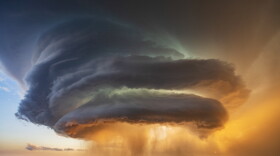 What's a a Super El Niño? Why is my weather app wrong all the time? This hour, we explore the mysteries of the weather and meteorology. Plus: How does literature teach us about the changing weather?
 -
 Ørsted said it has installed 61 out of 65 turbines at its Revolution Wind project off the coast of Rhode Island.
 -
 A team of researchers affiliated with Mississippi State University is fanning out across Connecticut this summer to collect hair samples from resident bears.
 -
 The New England coast used to be crowded with wild oyster reefs. But the reefs have been decimated by overfishing, pollution, development and climate change. Aran Mooney, who studies underwater acoustics at the Woods Hole Oceanographic Institution, is researching whether sound can help with efforts to restore oyster beds
 -
 This hour, we return to the idea of mesofacts, those slow-changing facts that you might lose track of. There’s a fifth ocean now! Goldfish are actually pretty smart! Those kinds of things.
 -
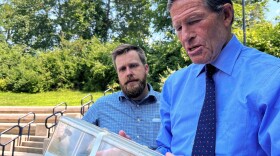 The invasive bugs were first spotted in Connecticut in 2020.
 -
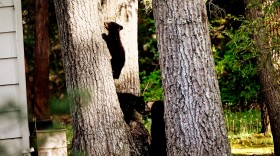 Connecticut officials estimate the state’s black bear population at between 1,000 and 1,200. And they often come face-to-face with the state’s human population. The Department of Energy and Environmental Protection has received reports of more than 7,300 bear sightings so far in 2026.
 -
 Connecticut astronaut Jack Hathaway and Maine astronaut Jessica Meir describe life aboard the International Space Station and the future of space travel.

© 2026 Connecticut Public
FCC Public Inspection Files:
WEDH · WEDN · WEDW · WEDY
WEDW-FM · WNPR · WPKT · WRLI-FM
Public Files Contact · ATSC 3.0 FAQ
FCC Public Inspection Files:
WEDH · WEDN · WEDW · WEDY
WEDW-FM · WNPR · WPKT · WRLI-FM
Public Files Contact · ATSC 3.0 FAQ
Play Live Radio
Next Up:
0:00
0:00
Available On Air Stations


